Part 1: Describe My Device
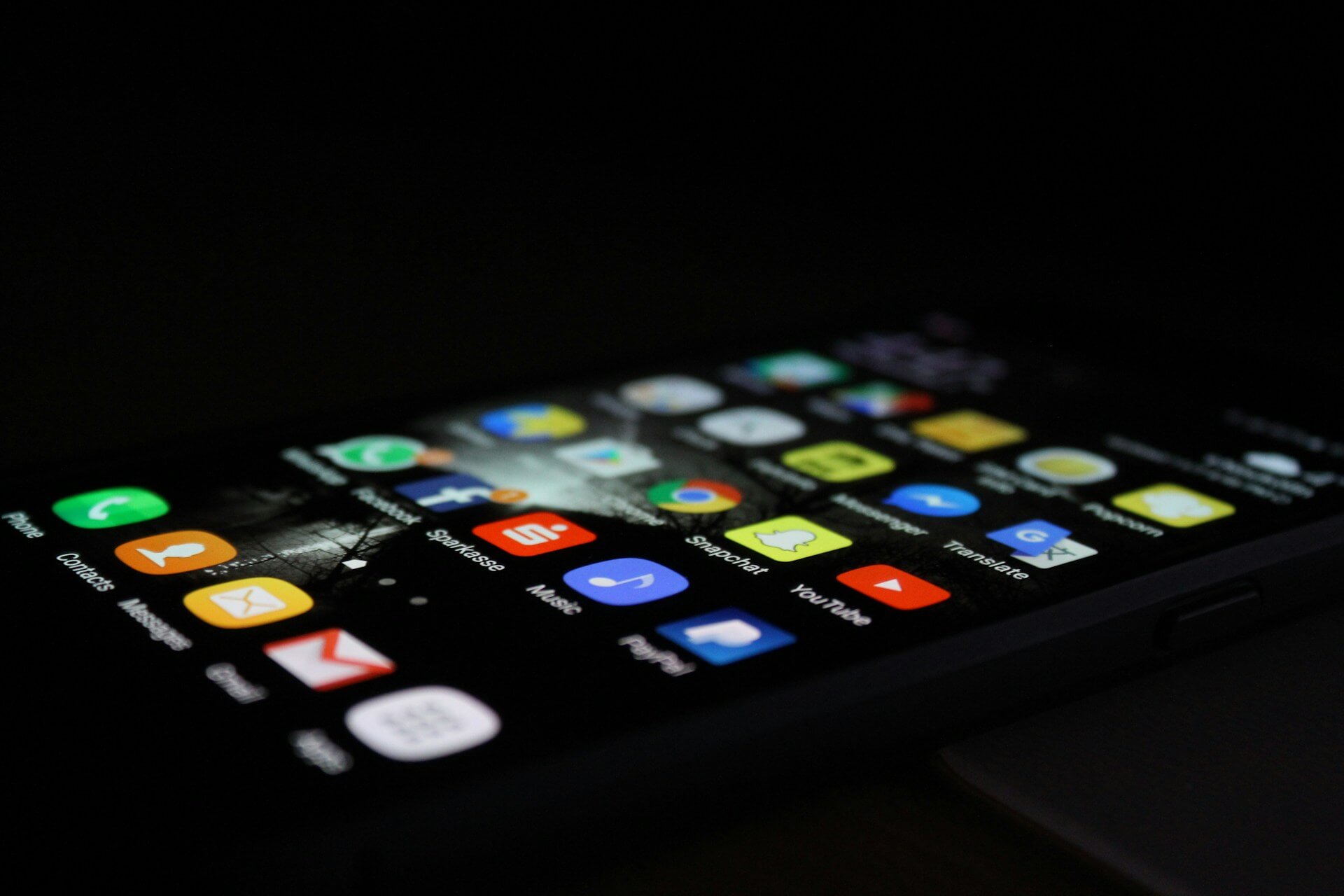
I currently use a Deep Blue iPhone 17 Pro Max with 256 GB of storage. I recently updated it to iOS 27. I mainly use my phone for everyday activities such as banking, Facebook, watching YouTube videos, listening to podcasts and music, and general web browsing. I also use the camera regularly, along with GPS, Face ID and Apple Pay.
The features I find most useful are the camera, display and Face ID. The camera takes very good photos. I especially notice the image processing and color quality when I compare the photos with phones I have used before. The display is also excellent for watching videos and browsing. Face ID is another feature I use constantly because it makes authentication and payments quick and convenient.
I have actually used both Apple and Android phones for many years. My first Apple phone was an iPhone 3G, which I really enjoyed. After using it for several years, I switched to a Google Nexus, then went back to an iPhone 7 Plus, followed by a OnePlus 7 Pro and eventually the iPhone 17 Pro Max. Because I have experience with both platforms, I notice some differences that I find frustrating with iOS. For example, I find it inconvenient that tapping the Wi-Fi or Bluetooth buttons in Control Center does not completely turn those services off. Android’s quick settings made this much more straightforward for me.
I have also been disappointed with the durability of the phone’s finish because it seems relatively easy to chip or scratch. Another major issue was my experience with iOS 26. I experienced hanging and significant battery drain. After upgrading to iOS 27 recently, I noticed a clear improvement in performance and battery life, which made the device much more enjoyable to use again.
Part 2: Reflect Like a Developer
From a developer’s perspective, the hardware and operating system have a major influence on how an application is designed. A modern phone such as the iPhone 17 Pro Max has a high-quality display, powerful processing hardware, cameras, GPS, Face ID and other sensors that developers can use to create more capable applications. At the same time, developers have to consider battery consumption, screen layouts, permissions, privacy, storage, network connectivity and different hardware capabilities when designing an application.
The iPhone 17 Pro Max runs iOS, which provides developers with a relatively controlled hardware and software environment. Compared with Android, there is less hardware fragmentation because Apple controls both the operating system and the devices. This can make testing and optimization more predictable. The trade-off is that iOS is more restrictive in areas such as customization, system access and application distribution. Android provides developers with more flexibility and customization, although the large variety of devices and hardware configurations can make testing more complicated.
If I were developing my first mobile application, I would choose iOS. One reason is that I already have significant experience using iOS, so I would be able to test the application on my own device. I also think the iOS ecosystem is attractive for developers who are interested in building commercial applications because users are accustomed to purchasing apps and subscriptions through the platform. For me, this makes iOS an interesting platform to explore because of its strong ecosystem and opportunities for commercial applications.
Overall, having switched between iOS and Android several times has made me realize that neither platform is perfect. Android gives me more freedom and customization, while iOS provides a more controlled environment with strong hardware and software integration. As a developer, understanding these differences is important because the platform’s limitations and strengths directly affect the applications we design.

Leave a Reply
You must be logged in to post a comment.